
Australia will soon become the first nation to ban children under 16 from creating accounts on many social media platforms, but the law is already facing criticism as some platforms will be excluded.
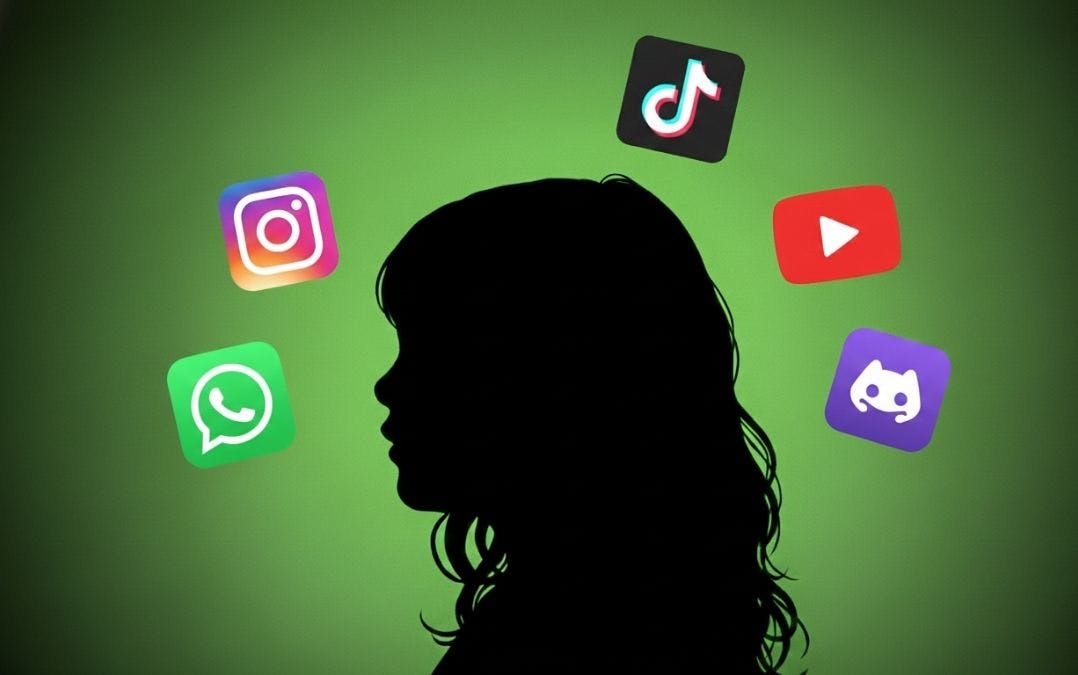
Beginning on Wednesday, December 10, Australia will require social media platforms, including Instagram, Facebook, TikTok, and YouTube, to take “reasonable steps” to block children under 16 years old from creating accounts. Any platform that fails to restrict children under 16 from gaining access could face civil penalties of up to $49.5 million, according to the government’s eSafety Commissioner.
“We haven’t really seen a plan like this be put into action,” said Jessica Melugin, the director of the Center for Technology & Innovation at the Competitive Enterprise Institute. “So I think the world is certainly watching.”
Along with Facebook, TikTok, and YouTube, the Australian government also lists Kick, Reddit, Snapchat, Threads, and X as “age-restricted” social media platforms. Numerous social media platforms, however, will not be affected by the law, including messaging platforms and gaming apps such as Discord, Roblox, and Steam. Australia’s decision to keep those platforms off its age-restricted list has raised more questions about whether the law will keep children away from online harm.
“It is a little bit of a red flag. I don’t agree with doing it this way at all, but it does make it harder for the government to make its case when you have gaming apps and AI chatbots exempted,” said Melugin. “It seems like a strange line to draw.”
The Australian government says the new law is popular with parents and would reduce the number of risks that children are exposed to online, the BBC reported.
“Delaying children’s access to social media accounts gives them valuable time to learn and grow, free of the powerful, unseen forces of harmful and deceptive design features such as opaque algorithms and endless scroll,” said Australian eSafety Commissioner Julie Inman. “This important normative change will be invaluable to parents and young people alike – creating friction or a check in the online ecosystem that previously did not exist.”
To support its move, the Australian government cited a study that it commissioned earlier this year, which found that more than 70% of children between 10-15 who use social media are exposed to harmful content. The government says that harmful online content includes “sexist, misogynistic or hateful content, content depicting dangerous online challenges or fight videos, or content that encourages unhealthy eating or exercise habits.”
50% off DailyWire+ annual memberships will not return for another year, so don’t miss this deal! Join now at DailyWire.com/cyberweek.
The first-of-its-kind law is already receiving some strong pushback.
Melugin told The Daily Wire that she has some major concerns about the new law.
“We live in a digital world. That’s how you are going to maybe find your partner one day. It’s probably how you’re going to find a job one day, maybe how you promote yourself or your business, maybe how you keep in touch with friends and pursue your interests,” Melugin said.
She added that the law could create a “false sense of security” for parents, who she argues would take a step back from monitoring their children’s social media. “They think, ‘Well, the government has now stepped in with its magic wand and silver bullet and now everything is safe,’ which certainly won’t be the case,” Melugin added.
Melugin argued that the best way to keep children safe online is for parents to keep having conversations with their kids on “how to keep yourself safe online, how to avoid making mistakes online.”
Australia’s exclusions for Roblox, Discord, Steam, and other platforms have also come under scrutiny. Roblox, an online gaming platform marketed toward children, has been criticized for allowing adults to use the platform alongside children, and even the Australian government has acknowledged that Roblox has given pedophiles an open door to “groom children.”
Roblox was also sued by Texas last month, with Texas Attorney General Ken Paxton calling the children’s gaming platform “a habitual destination for child predators.”
An Australian government official told The Daily Wire that “gaming and messaging services were excluded under the legislative rules.” The official also directed The Daily Wire to a press release from September, showing that Roblox committed to introduce new safety measures for its site in response to concerns raised by the Australian government.
“We know that when it comes to platforms that are popular with children, they also become popular with adult predators seeking to prey on them. Roblox is no exception and has become a popular target for pedophiles seeking to groom children,” Inman said at the time. “We’ve been engaging with Roblox on this issue for several months to make it clear to the platform that under Australian law they are required to take meaningful action to prioritize the protection of children.”
Discord has also faced scrutiny for allowing child sex predators, extremists, and terrorists who target children.
Some of the social media giants affected by Australia’s new law have blasted the government’s strategy. Meta argues that families, not the government, should “decide which apps teens can access.”
“To comply with Australia’s Social Media Minimum Age Law, teens under 16 will begin losing access to Facebook, Instagram, and Threads next month. While we’re committed to meeting our legal obligations, we’ve consistently raised concerns about this law,” a Meta spokesman told The Daily Wire. “Experts, youth groups, and many parents agree that blanket bans are not the solution—they isolate teens from online communities and information, while providing inconsistent protection across the many apps they use. There’s a better way: legislation that empowers parents to approve app downloads and verify age allows families—not the government—to decide which apps teens can access.”
Meta believes its “teen accounts,” which were introduced last year, are effective at keeping children safe online by putting parents in control and limiting who can contact children on social media.
Australia’s new law is already facing a legal challenge brought on behalf of two 15-year-old Australians who argue that the law robs them of their right to free speech, according to the BBC.
“We shouldn’t be silenced. It’s like Orwell’s book 1984, and that scares me,” said 15-year-old Macy Neyland.
Noah Jones, the other 15-year-old pushing back against the law, added, “We are the true digital natives and we want to remain educated, robust, and savvy in our digital world. … They should protect kids with safeguards, not silence.”
The Daily Wire reached out to the prime minister’s office for comment.
Following Australia’s move to ban some social media for kids, Malaysia introduced a similar ban. In the United States, Utah passed a law last year requiring social media platforms to verify a user’s age and obtain parental consent. Parts of the Utah law, however, have been temporarily blocked by a federal judge.