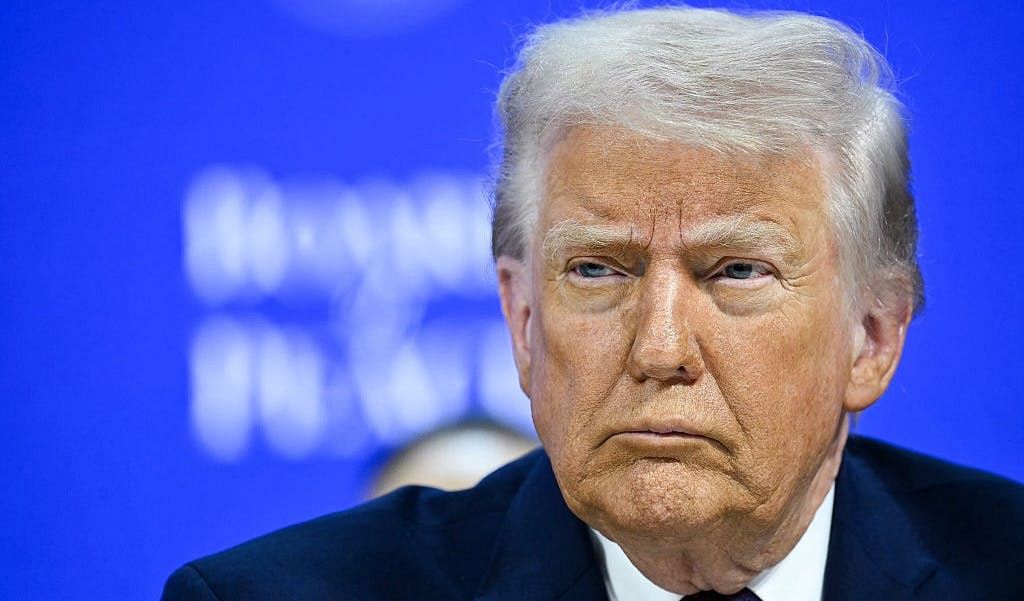

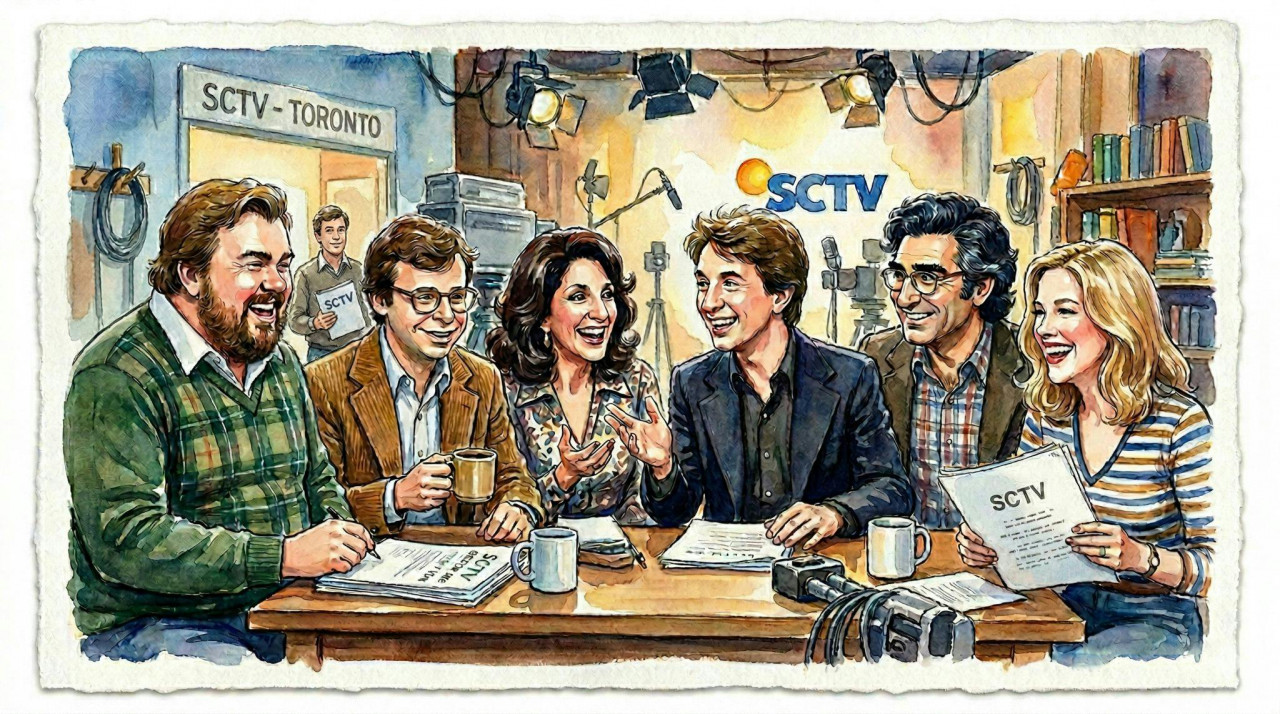
Tragedy struck the world of comedy again this week.
Katherine Short, the 41-year-old daughter of legendary funnyman Martin Short, passed away on Feb. 23. Her passing came only weeks after comedienne Catherine O’Hara’s death at 71.
Short and O’Hara have been making us laugh for decades without so much as an interruption. O’Hara’s turn as Moira Rose on “Schitt’s Creek” capped a career that included memorable turns in “Home Alone,” “Beetlejuice” and other comedy classics.
Short’s comedy resume is among the longest and the best in the business.
And both got their start on “Second City Television” or “SCTV,” a show that has been perpetually overshadowed by a glossier American sketch comedy series. Yet, decades later, “SCTV’s” legacy is only getting bigger while “Saturday Night Live’s” continues to contract.
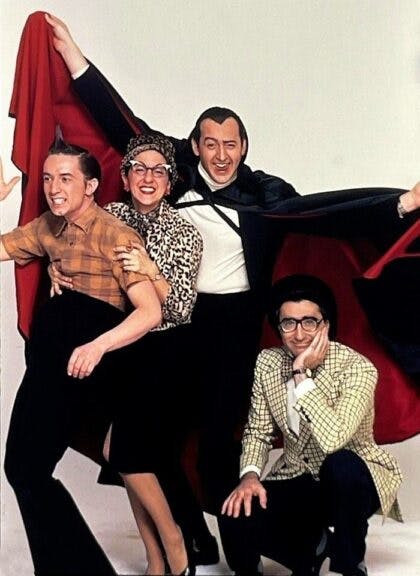
Second City Entertainment. SCTV. IMDB.
Short and O’Hara cut their comedy teeth as members of “SCTV,” a sketch comedy troupe that delivered laughs from north of the border. The show aired stateside starting in the late 1970s, but it never quite gained the cultural traction “SNL” enjoyed.
The latter gave us superstars like Bill Murray, Chevy Chase, Eddie Murphy, and Will Ferrell but those comedy titans came from endless cast iterations. For every standout like Dana Carvey or Bill Hader there were dozens whose “SNL” time turned into brief highlight reels.
That wasn’t the case with “SCTV,” which ran from 1976 to 1984. The show’s small, fairly consistent cast featured talent after talent, and their post-show work shined as brightly as the best “SNL” alums.
Maybe even brighter.
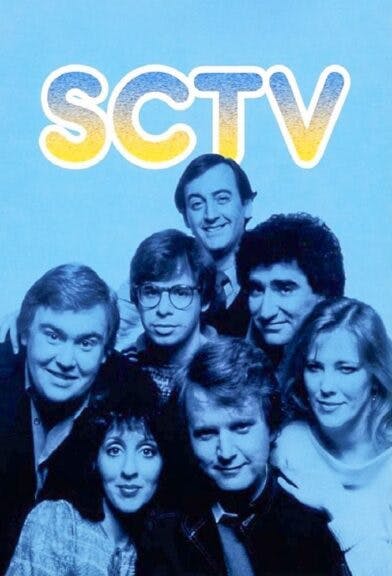
SCTV. IMDB.
The show’s cast came from Toronto’s edition of Second City, an improv group made famous for sparking NBC’s “SNL” series in 1975 (along with National Lampoon’s media empire). The Canadian series was built around a fictional TV studio, allowing for recurring comic characters and wacky sketches.
It’s where Short perfected his Ed Grimley character – later seen on “SNL.” (Short graced both sketch comedy institutions, but “SNL” for only a single season (1984-85). Co-star Eugene Levy’s Bobby Bittman character exuded oily ‘70s smarm, while Joe Flaherty’s Count Floyd sent up horror movie hosts to perfection.
Those characters endure, but so do the performers’ post-show resumes.
Last year’s “I Like Me” documentary captured the short, remarkable life of “SCTV” alum John Candy. The husky comic died at 43, but not before leaving us with one indelible turn after another. He swiped scenes in “Home Alone,” “Vacation” and “Splash” while anchoring raucous comedies, including “Uncle Buck,” “Planes, Trains and Automobiles” and “Summer Rental.”
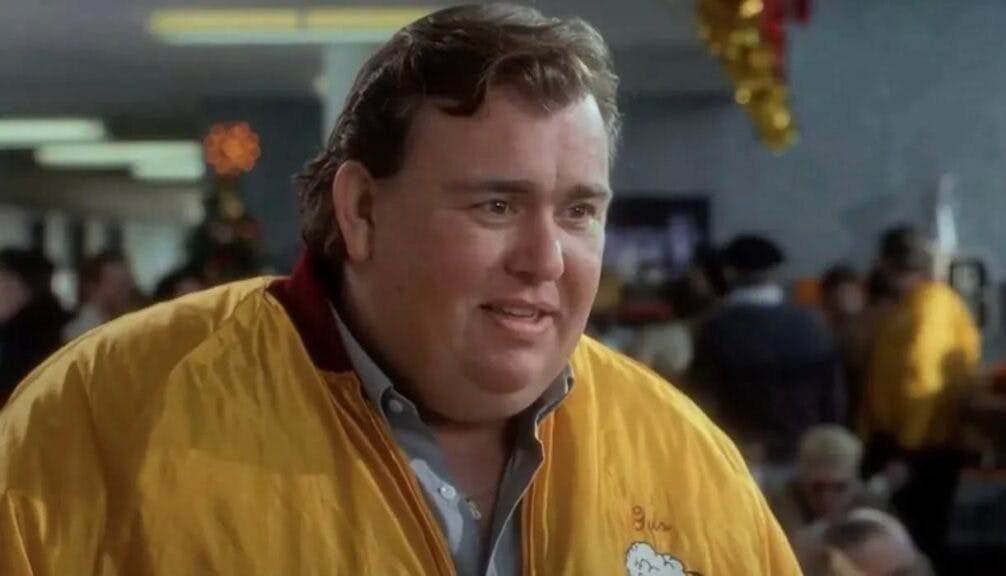
20th Century Fox. Hughes Entertainment. “Home Alone”
Lovable with a pinch of sadness beneath his grin, Candy’s persona enhanced a crush of comedies before his 1994 death. “I Like Me” nailed both his comic gifts and ability to connect with audiences in ways many comedians never could.
O’Hara’s comedy career ended with her most recent role in Apple TV+’s “The Studio,” the latest example of her versatility. And she didn’t need a script to make us howl. Recall her improv chops in four Christopher Guest “mockumentaries” – “For Your Consideration,” “Waiting for Guffman,” “Best in Show” and “A Mighty Wind.”
Short’s film career wavered after a series of under-achieving comedies like “Three Amigos,” “Innerspace” and “Clifford,” but he never stopped working. Most recently, he’s anchored Hulu’s comedy series “Only Murders in the Building” alongside Steve Martin and Selena Gomez.
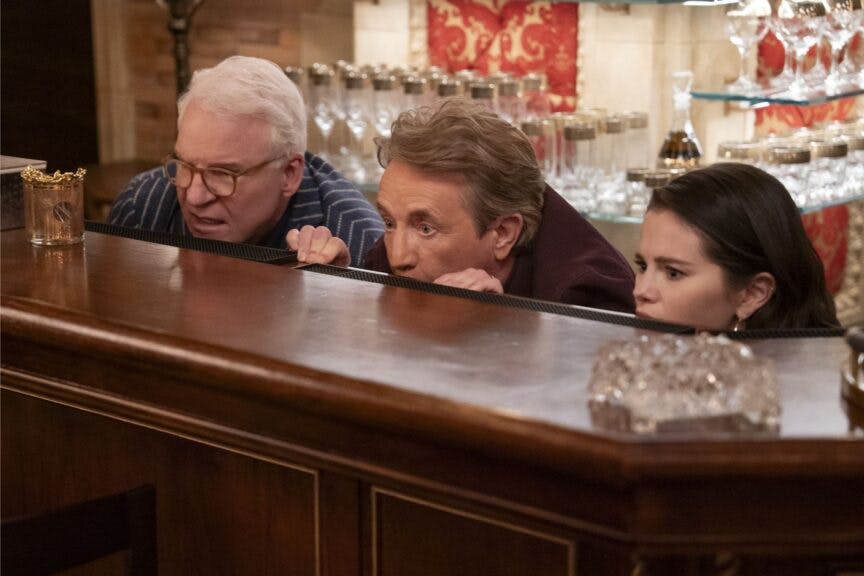
Photo by Courtesy of Hulu.
One “SCTV” alum’s career stalled, but only due to a deeply personal choice. Rick Moranis, so memorably in films like “Spaceballs,” “Honey, I Shrunk the Kids” and “Ghostbusters,” stepped away from Hollywood following the death of his wife in 1991.
He tried to be both a working actor and single parent, but he realized he couldn’t do both without sacrificing key parts of the latter. So he left the business on his terms. Decades later, his return as Dark Helmut in the “Spaceballs” sequel, due in 2027, is one of the film’s biggest selling points.
Moranis’ on-screen hoser/partner, Dave Thomas, never matched Moranis’ early fame. He still worked steadily over the years, bouncing from sitcom roles to writing gigs on shows like Fox’s “Bones.”
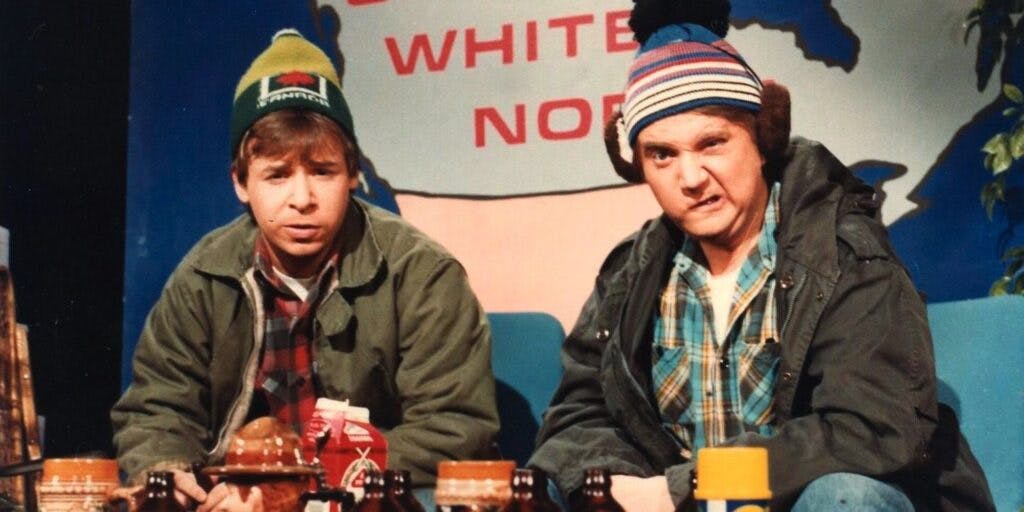
Second City Entertainment. SCTV. IMDB.
And the pair reunited for 1983’s “Strange Brew,” bringing their Bob and Doug characters to the big screen alongside Max Von Sydow. The film wasn’t a smash, but it swiftly became a cult classic. And deservedly so.
Some “SCTV” alums shined even brighter behind the camera. Yes, Harold Ramis was one of the four core “Ghostbusters,” but he’s better known for directing “National Lampoon’s Vacation,” “Caddyshack” and “Groundhog Day.”
That, plus a series of strong supporting roles (“Knocked Up,” “As Good As It Gets”) complemented his impressive post-“SCTV” life until his death in 2014.
“SCTV’s” Andrea Martin has enjoyed a blue-collar career following the show’s end, netting endless work, including a silly supporting role in the “My Big Fat Greek Wedding” franchise. She also found voice actor gigs and joined former “SCTV” chum Short on “Only Murders in the Building” since 2022.
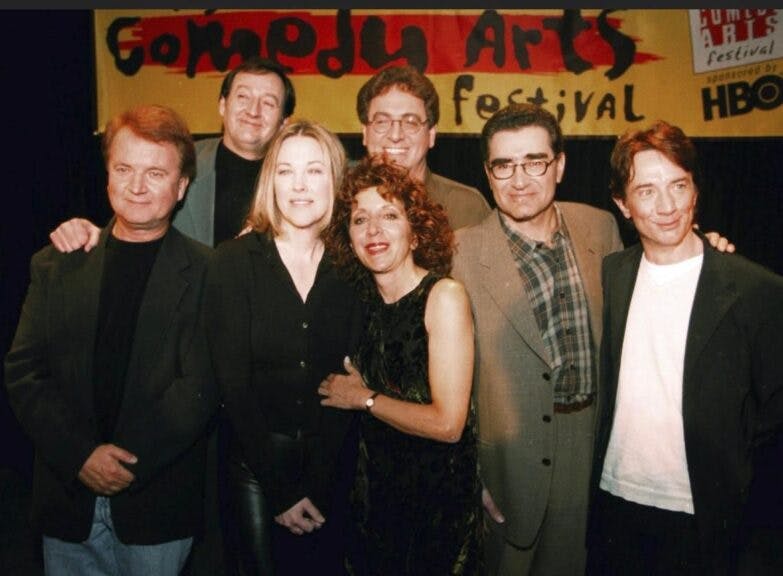
Second City Entertainment. SCTV. IMDB.
And while we lost O’Hara this year, her “Schitt’s Creek” husband, the amiable Levy, keeps making us smile. Levy’s exhaustive film and TV career includes key turns in the aforementioned mockumentaries and the “American Pie” franchise.
“SCTV” signed off for good in 1984, while “SNL” recently celebrated its 50th anniversary. That said, the latter keeps burning down its legacy with biased political gags and bland bits. The NBC show may still crank out a future star or two, but “SCTV’s” killer ratio of repertory players who made it big remains unmatched.
* * *
Christian Toto is an award-winning journalist, movie critic, and editor of HollywoodInToto.com. He previously served as associate editor with Breitbart News’ Big Hollywood. Follow him at HollywoodInToto.com.
The views expressed in this piece are those of the author and do not necessarily represent those of The Daily Wire.